


Understanding Circadian Rhythms: The Body's Internal Clock
Circadian rhythms, often referred to as the body's internal clock, are 24-hour cycles that govern many physiological, mental, and behavioral changes in living organisms, whether in human, animals or even plants. These rhythms are influenced by external cues such as light and temperature, but they are innately programmed within our biological systems.
What Are Circadian Rhythms?
Circadian rhythms are natural processes driven by the body's internal clock, also known as the suprachiasmatic nucleus (SCN). Located in the hypothalamus, the SCN synchronizes these rhythms using light as the primary external cue. Almost every cell in the body has its own clock, but the SCN ensures that all these clocks work in harmony.
Key Functions Regulated by Circadian Rhythms
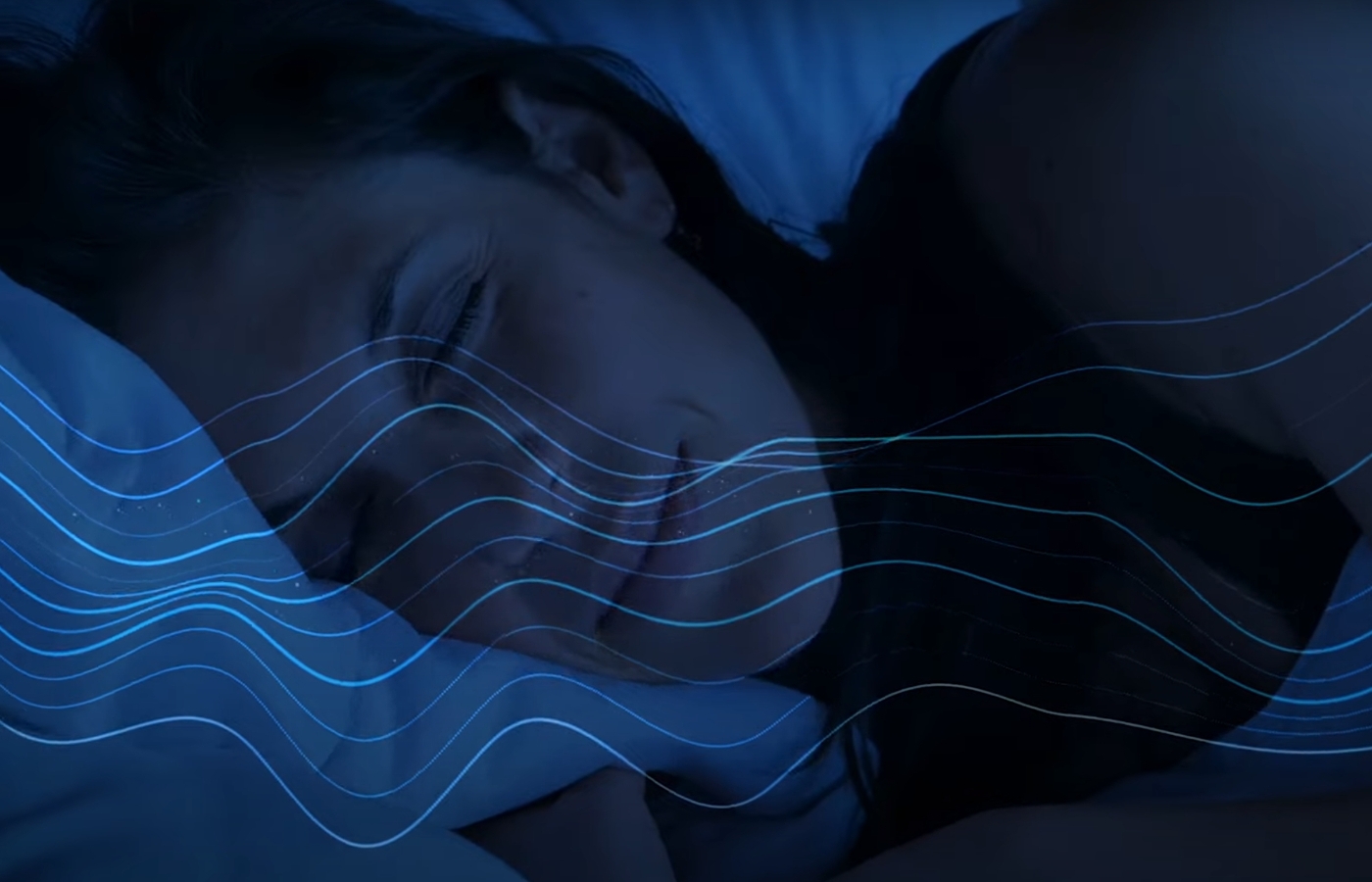
1. Sleep-Wake Cycle: Circadian rhythms play a crucial role in determining when we feel alert and when we feel sleepy. They are responsible for the production of melatonin, a hormone that promotes sleep, which peaks during the night.
2. Hormone Release: Hormones such as cortisol, which helps manage stress, follow circadian patterns. Cortisol levels typically peak in the morning, aligning with the need for alertness.
3. Body Temperature Regulation: Body temperature fluctuates throughout the day, reaching its lowest point during sleep and rising during active hours.
4. Digestive Processes: Digestive enzymes and gut activity are also tied to circadian rhythms, optimizing nutrient absorption during the day and slowing digestion at night.
How Circadian Rhythms Influence Health
1. Mental Health: Disruptions in circadian rhythms are linked to conditions such as depression, anxiety, and bipolar disorder. Maintaining a consistent sleep schedule is crucial for mental well-being.
2. Physical Health: Studies show that misaligned circadian rhythms can increase the risk of obesity, diabetes, cardiovascular diseases, and even certain cancers.
3. Immune System Function: Properly aligned circadian rhythms help regulate immune responses, ensuring optimal function in fighting infections and repairing damaged tissues.
Factors That Disrupt Circadian Rhythms
1. Artificial Light Exposure: Prolonged use of screens emitting blue light at night suppresses melatonin production and delays sleep onset.
2. Shift Work: Irregular work schedules interfere with the natural sleep-wake cycle, leading to chronic misalignment.
3. Jet Lag: Traveling across time zones disrupts the body's internal clock, causing temporary misalignment until the body adjusts.
4. Lifestyle Choices: Inconsistent meal times, lack of physical activity, and irregular sleeping patterns can all negatively impact circadian rhythms.
Tips to Maintain Healthy Circadian Rhythms
1. Expose Yourself to Natural Light: Spend time outdoors during the day to help reset your internal clock.
2. Maintain a Consistent Schedule: Go to bed and wake up at the same times every day, even on weekends.
3. Limit Evening Screen Time: Reduce blue light exposure a few hours before bedtime to encourage melatonin production.
4. Create a Sleep-Friendly Environment: Keep your bedroom dark, cool, and quiet to promote better sleep quality.
5. Mind Your Diet: Avoid heavy meals, caffeine, and alcohol close to bedtime.
Therefore, Circadian Rhythms are fundamental to overall health and well-being. By understanding and respecting these natural cycles, individuals can improve sleep quality, mental health, and physical health. Small adjustments to daily habits can make a significant difference in aligning these rhythms and enhancing quality of life.
References:
1. Foster, R. G., & Kreitzman, L. (2017). Circadian Rhythms: A Very Short Introduction. Oxford University Press.
2. Panda, S. (2018). The Circadian Code: Lose Weight, Supercharge Your Energy, and Transform Your Health from Morning to Midnight. Rodale Books.
3. National Institute of General Medical Sciences. (2023) >> https://www.nigms.nih.gov
4. Walker, M. P. (2017). Why We Sleep: Unlocking the Power of Sleep and Dreams. Scribner.
5. American Academy of Sleep Medicine. (2023) >> https://www.aasm.org
6. Oxford Sparks >> https://youtu.be/2BoLqqNuqwA
Related Posts