


Autophagy: The Body's Cellular Cleanup Process
Autophagy, derived from the Greek words auto (self) and phagy (eating), literally means "self-eating." It is a natural process through which the body cleanses damaged cells, regenerates healthier ones, and optimizes cellular function. This process is vital for maintaining health, preventing disease, and promoting longevity.
What is Autophagy?
Autophagy is a biological mechanism in which cells break down and recycle their components. It acts as a cellular housekeeping process, clearing out debris such as dysfunctional proteins, organelles, and pathogens. The process is tightly regulated and occurs at varying levels depending on cellular stress, nutrient availability, and environmental conditions.
At its core, autophagy promotes survival by:
- Recycling cellular components to generate energy.
- Removing damaged structures to prevent cellular dysfunction.
- Enhancing adaptation to environmental stress.
There are three main types of autophagy:
1. Macroautophagy: The most well-known form, where large cellular components are enclosed in a double-membrane vesicle called an autophagosome and delivered to the lysosome for degradation.
2. Microautophagy: Smaller cellular debris is directly engulfed by lysosomes through invagination or folding of their membranes.
3. Chaperone-Mediated Autophagy (CMA): A selective process where specific proteins are tagged and transported directly into lysosomes for degradation.
The Role of Autophagy in Health
1. Cellular Renewal and Repair: Autophagy helps remove damaged organelles and proteins, reducing cellular stress and enhancing function.
2. Prevention of Diseases: Impaired autophagy is linked to various diseases, including neurodegenerative disorders like Alzheimer’s and Parkinson’s, cancer, and metabolic conditions like diabetes.
3. Support for the Immune System: It plays a critical role in clearing infections by degrading pathogens and presenting antigens to immune cells.
4. Longevity and Anti-Aging: Autophagy slows aging by removing cellular waste, maintaining mitochondrial health, and reducing oxidative stress.
How to Stimulate Autophagy
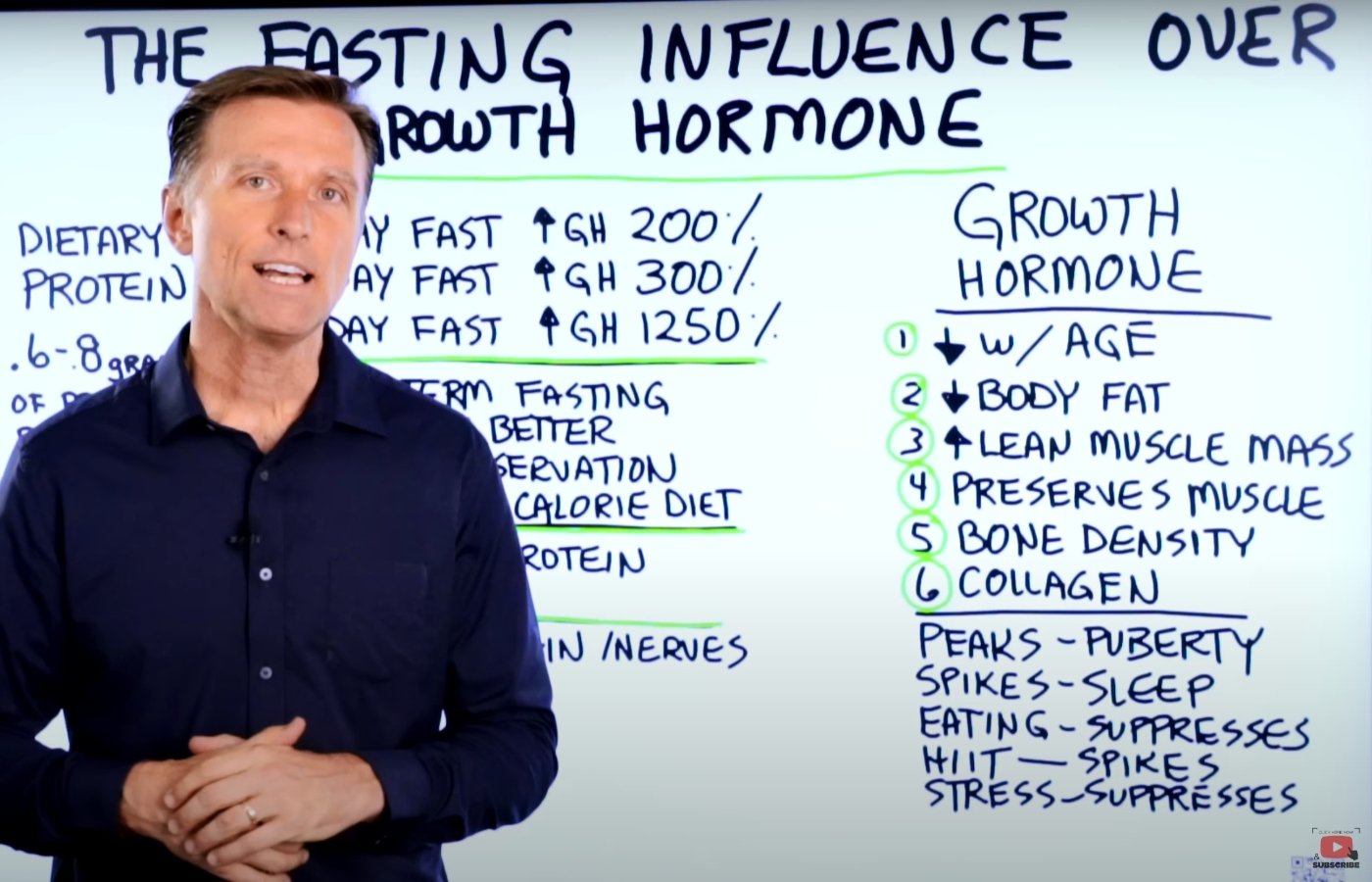
1. Intermittent Fasting: Fasting is one of the most effective ways to induce autophagy. Depriving cells of nutrients triggers a survival response, ramping up the recycling process.
2. Exercise: Regular physical activity promotes autophagy, particularly in muscle cells and the cardiovascular system.
3. Caloric Restriction: Consuming fewer calories while ensuring nutrient-dense meals encourages autophagy and cellular repair.
4. Ketogenic Diet: High-fat, low-carb diets can stimulate autophagy by mimicking the effects of fasting and promoting ketone production.
5. Stress Reduction: Managing stress through meditation, yoga, or mindfulness indirectly supports autophagy by reducing systemic inflammation.
Autophagy and Disease Prevention
1. Cancer: Autophagy plays a dual role in cancer. While it helps eliminate damaged cells that could become cancerous, it may also support tumor survival in advanced cancers.
2. Neurodegenerative Diseases: Enhanced autophagy helps clear toxic protein aggregates in conditions like Alzheimer’s, Huntington’s, and Parkinson’s diseases.
3. Cardiovascular Health: By removing damaged mitochondria and reducing oxidative stress, autophagy supports heart health and prevents atherosclerosis.
4. Infectious Diseases: Autophagy acts as a defense mechanism by degrading invading pathogens and supporting immune response.
Potential Risks and Limitations
While autophagy is essential for health, excessive or impaired autophagy can lead to problems. Overactive autophagy may promote cell death, while dysfunctional autophagy is linked to chronic diseases. Balancing stimulation and inhibition is critical for harnessing its benefits without causing harm.
In conclusion, autophagy is a fascinating biological process with profound implications for health, disease prevention, and longevity. By adopting lifestyle changes like intermittent fasting, regular exercise, and stress management, individuals can harness the benefits of autophagy to improve cellular health and overall well-being.
References:
1. Mizushima, N., Levine, B., Cuervo, A. M., & Klionsky, D. J. (2008). "Autophagy fights disease through cellular self-digestion." Nature, 451(7182), 1069-1075.
2. Kroemer, G., & Levine, B. (2008). "Autophagic cell death: the story of a misnomer." Nature Reviews Molecular Cell Biology, 9(12), 1004-1010.
3. Madeo, F., Zimmermann, A., Maiuri, M. C., & Kroemer, G. (2015). "Essential role for autophagy in life span extension." The Journal of Clinical Investigation, 125(1), 85-93.
4. Liang, X. H., Jackson, S., Seaman, M., et al. (1999). "Induction of autophagy and inhibition of tumorigenesis by beclin 1." Nature, 402(6762), 672-676.
5. National Institute on Aging. (2023) >> https://www.nia.nih.gov.
6. Rajsree Nambudripad, MD >> https://youtu.be/v5xBE1zvwUY
Related Posts