


Understanding KIBRA and PKMζ: Key Players in Memory Enhancement
Our brain's ability to store and recall information is a complex process involving various molecules. Two significant contributors to this process are KIBRA and PKMζ.
What is KIBRA?
Kidney/Brain Protein (KIBRA) is a protein encoded by the WWC1 gene, primarily found in the kidney and brain. Research has linked KIBRA to human memory performance, suggesting it plays a role in how we learn and remember.
What is PKMζ?
Protein Kinase M zeta (PKMζ) is an enzyme that is persistently active in the brain. It's crucial for maintaining long-term potentiation (LTP), a process that strengthens the connections between neurons, which is essential for long-term memory storage.
How Do KIBRA and PKMζ Work Together?
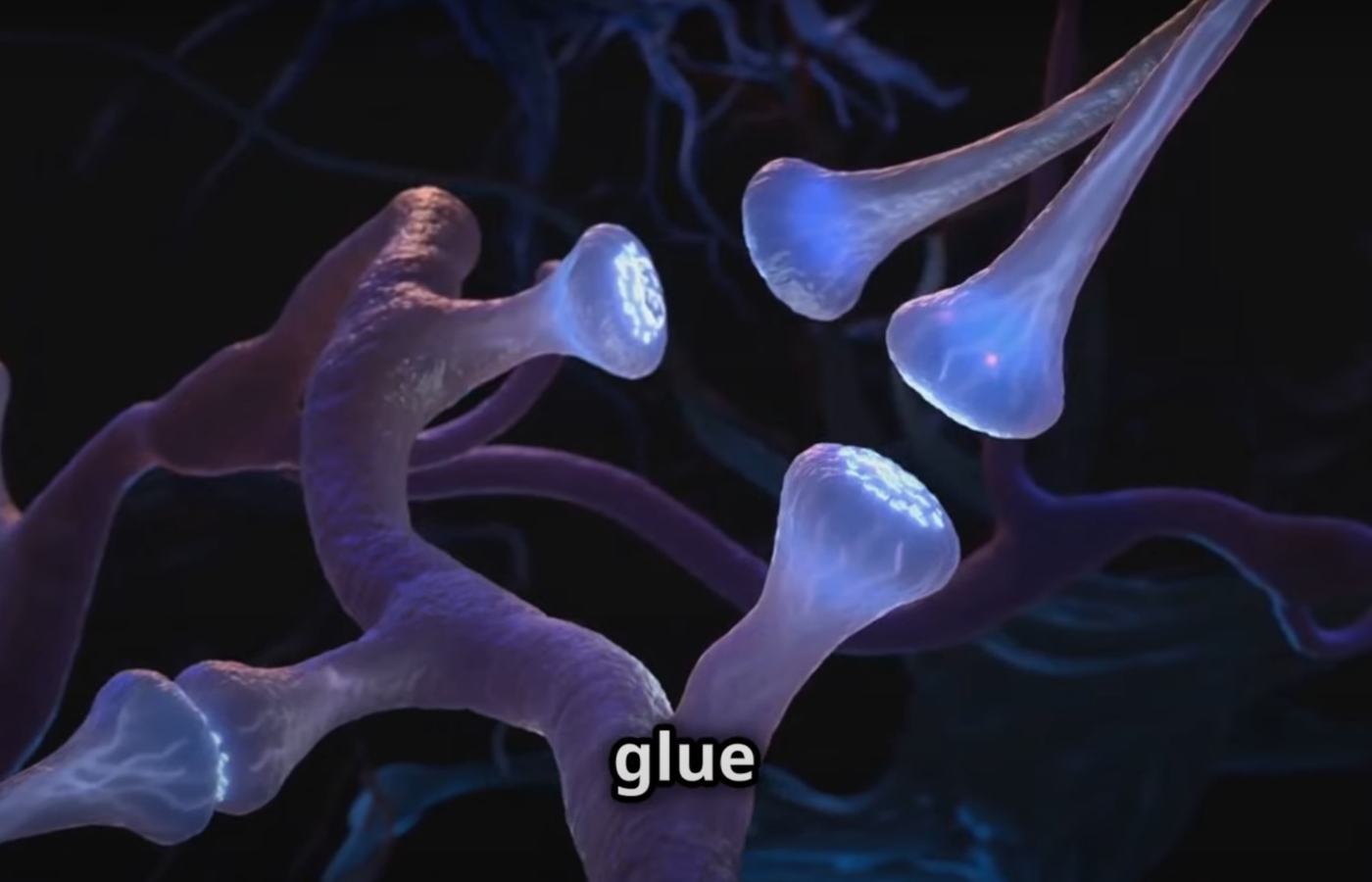
Recent studies have discovered that KIBRA interacts directly with PKMζ. KIBRA binds to PKMζ, protecting it from degradation and ensuring its continuous activity at the synapse. This partnership helps maintain the strength of neural connections, supporting the persistence of long-term memories.
Supporting KIBRA and PKMζ Through Diet
While we cannot consume KIBRA or PKMζ directly, certain nutrients can support their function and promote brain health:
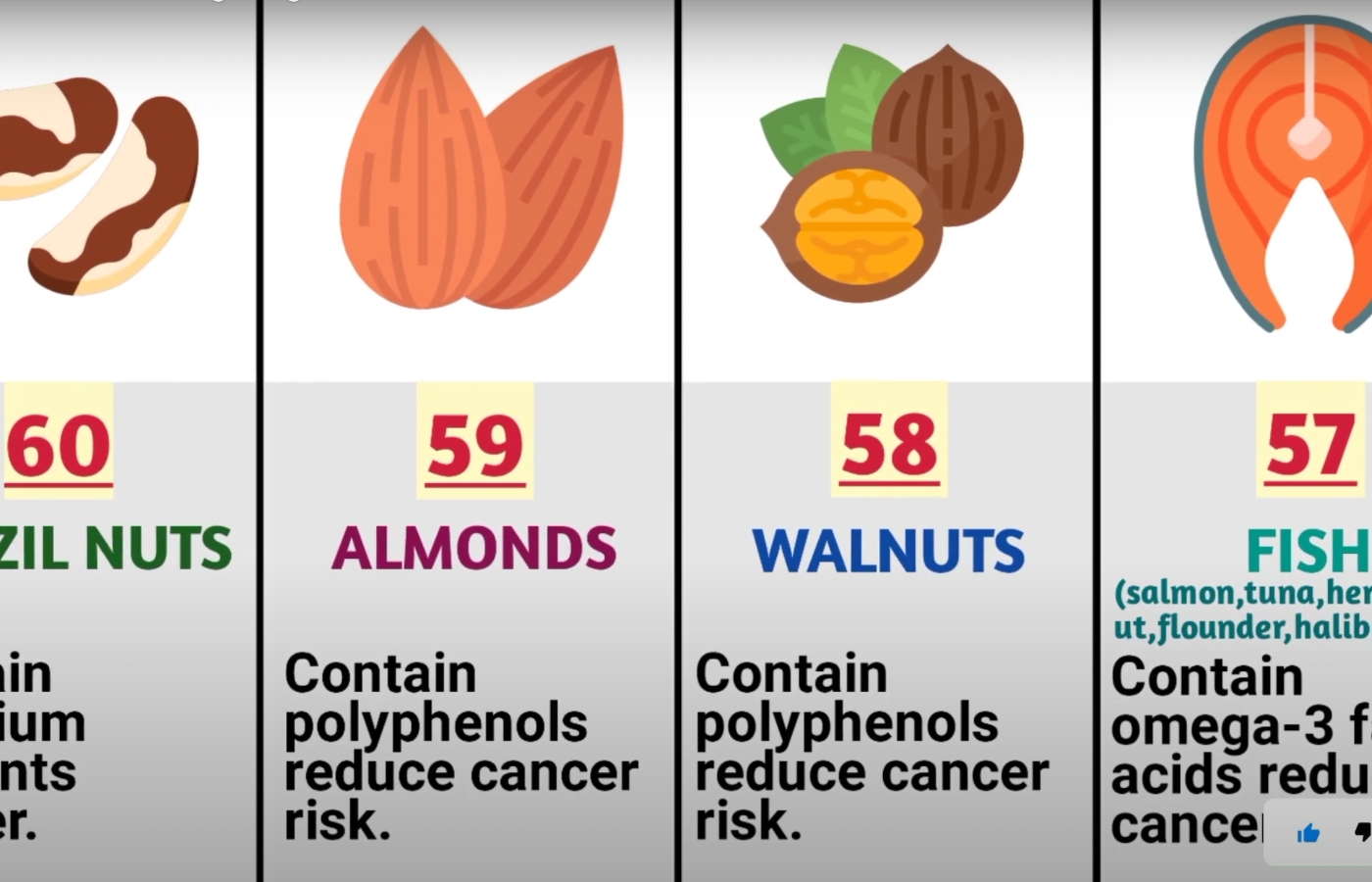
1. Omega-3 Fatty Acids: Enhance synaptic plasticity and support memory function. Natural sources of Omega-3 Fatty Acids are Flaxseeds, Chia Seeds, Walnuts, and Algal Oil.
2. Phosphatidylserine: Maintains neuronal membrane integrity and supports cognitive functions. Natural sources of Phosphatidylserine are Soy Lecithin, Sunflower Seeds, and White Beans.
3. Choline: Essential for neurotransmitter production and brain development. Natural sources of Choline are Broccoli, Cauliflower, and Brussels Sprouts.
4. Flavonoids: Protect neurons and enhance memory. Natural sources of Flavonoids are Berries (Blueberries, Strawberries), Citrus Fruits, and Dark Chocolate.
5. Magnesium: Supports nerve transmission and plasticity. Natural sources of Magnesium are Leafy Greens (Spinach, Kale), Nuts, Seeds, and Whole gGrains.
6. Curcumin: Boosts brain-derived neurotrophic factor (BDNF), supporting neuron growth. Curcumin is extracted from Turmeric (best absorbed with Black Pepper).
7. B Vitamins (B6, B9, B12): Support energy production and cognitive function. Natural sources of B Vitamins are Leafy Greens, Legumes, and Fortified Cereals.
In Conclusion
The collaboration between KIBRA and PKMζ is vital for maintaining the neural connections that underlie our long-term memories. By incorporating the nutrients mentioned above into your diet, you can support the functions of these molecules and promote overall brain health.
References:
1. A new gateway to learning and memory? >> Frontiersin.org
2. Anchoring the action of PKMζ maintains the persistence of long-term memory >> https://www.science.org/doi/10.1126/sciadv.adl0030
3. Regulates learning and memory and stabilizes Protein kinase Mζ >> https://www.ncbi.nlm.nih.gov/pmc/articles/PMC3947452/
4. Scientists discover how to fix memory issues! >> https://youtu.be/eHeQraUoHIQ
Related Posts